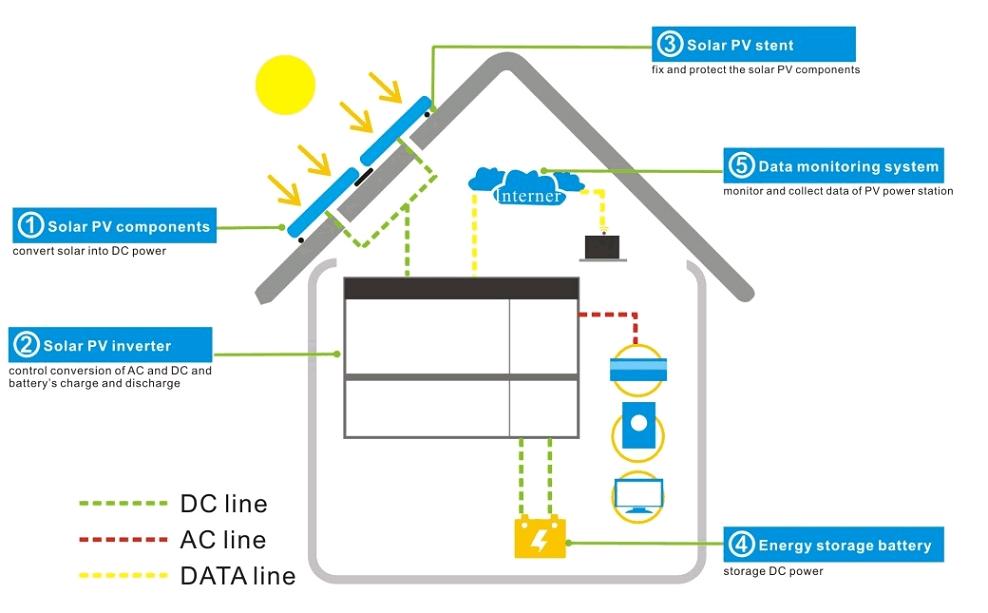
Residential Energy Storage System(ESS)
A battery energy storage system(ESS) is a sub-set of energy storage systems, using an electro-chemical solution. In other words, a battery energy storage system is an easy way to capture energy and store it for use later, for instance, to supply power to an off-grid application, or to complement a peak in demand. They are usually not used to replace grid power completely but instead used to offer short-term solutions in applications where access to grid power is intermittent or the use of a generator is unsuitable due to noise or pollution concerns. Another application of energy storage systems is the management of energy generated by intermitent sources, such as solar panels.
A variety of different battery technologies is available for use in battery energy storage systems. However, in recent years solutions using Lithium-Ion batteries have grown in popularity, driven by the benefits of an ESS, such as their long working life, wide operational strange, lightweight structure, high energy-efficiency, and, crucially, the falling cost of the technology . These, combined with the low total cost of ownership and sustainability, make them attractive for several applications.
How does ESS work?
A Li-ion battery comprises:
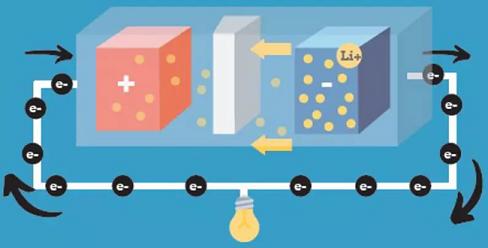
In a Li-ion battery, the electrolytes carry positively charged lithium ions between the anodes and the cathodes through the separator. As the lithium ions move, the movement creates free electrons in the anode, creating a charge at the positive current collector. This enables the electrical current to flow on from the current collector, through the device being powered, and back to the negative current collector.
 |
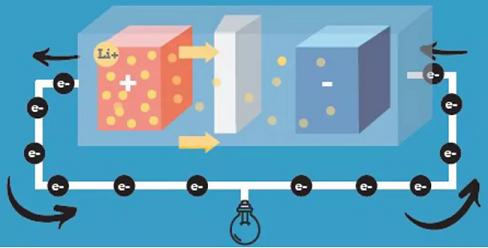 |
When the battery is powering a device, such as a generator, the anode releases lithium ions to the cathode, effectively creating a flow of electrons from one side to the other. In rechargeable batteries, this flow is reversed when the battery charges, as the lithium ions are released by the cathode and received by the anode .
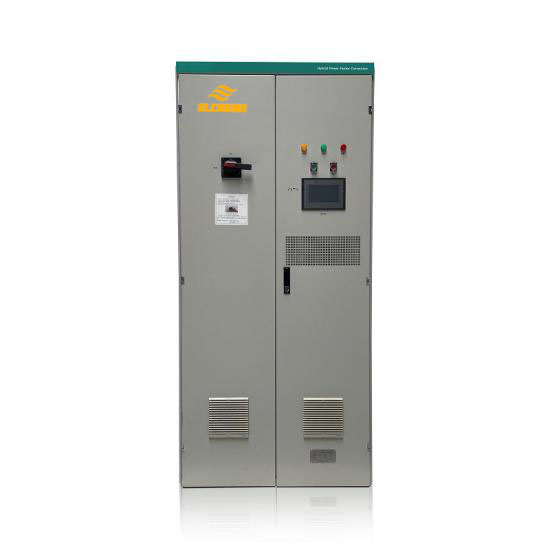
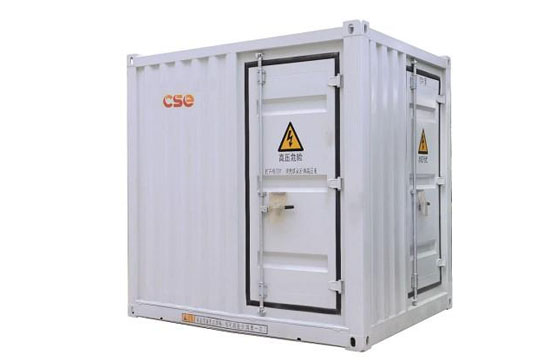
Elcosine Power(CSG) GC series ESS is a good example of how the high-density li-ion batteries can be leveraged to enable a new level of sustainability, flexibility, and usability, without compromising on power.