
Solutions
Residential Area


Public buildings, schools, commercial spaces
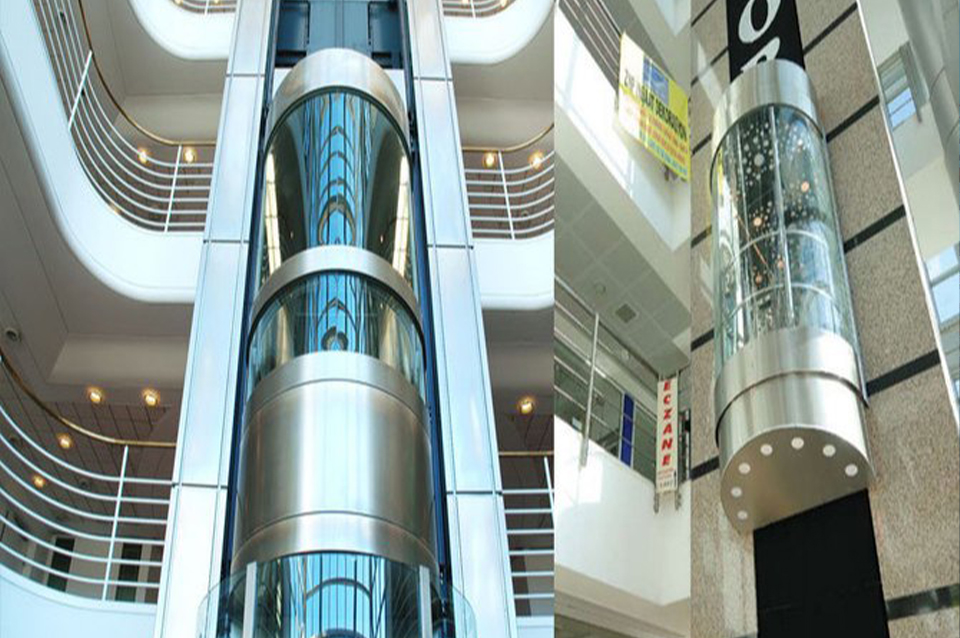
In commercial and public facilities, the majority of electrical equipment operates as nonlinear loads, including switching power supplies, computers, printers, photocopiers, televisions, elevators, energy-saving lamps, UPS systems, air conditioners, and LED displays.
Industrial and mining, ports, construction sites
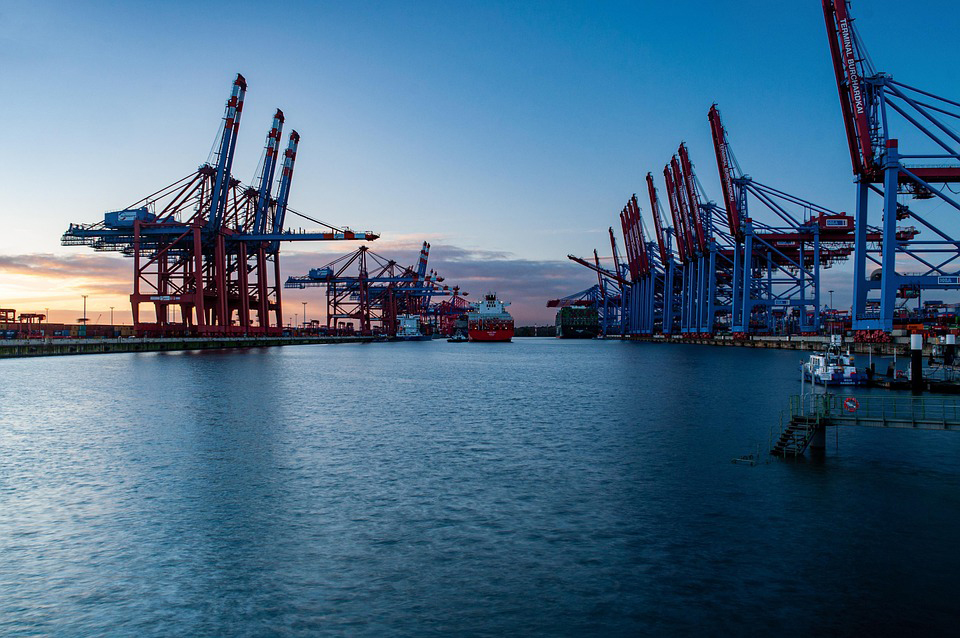
In recent years, many port enterprises have increasingly adopted SCR rectifier and SCR converter equipment, which has led to a significant decline in overall power distribution quality. A more critical issue arises when the high-order harmonics generated by these devices interact with system capacitive reactance and system impedance, forming series or parallel resonance under certain conditions. This resonance effect causes serious equipment damage and has drawn considerable attention to the harmful impact of harmonics on port power distribution systems.
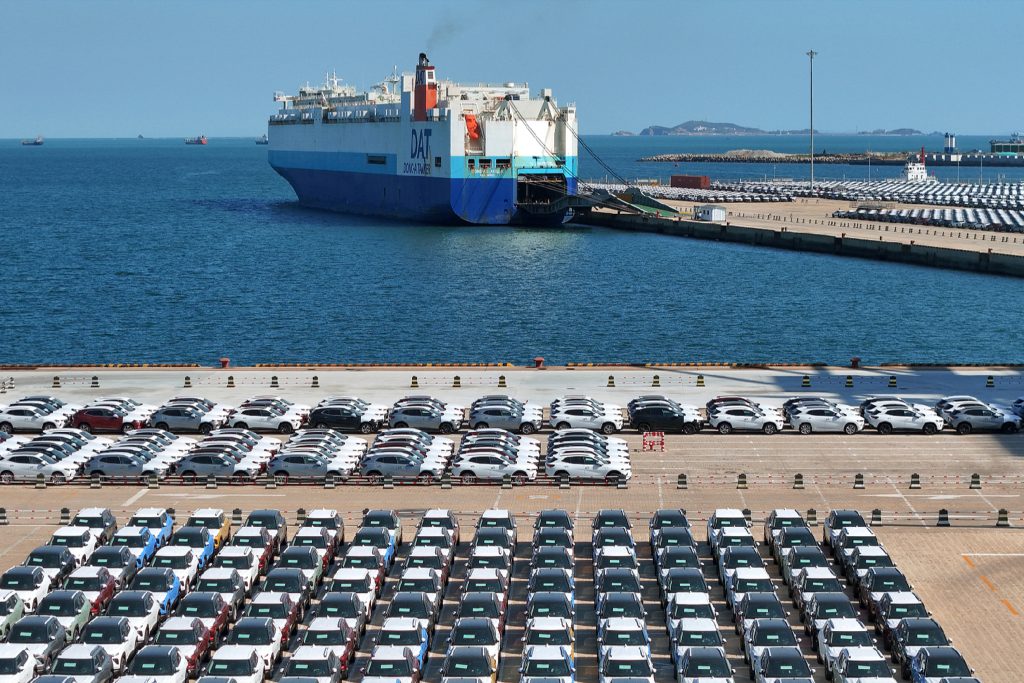
Ship and automobile manufacturing
Textile
With the continuous advancement of automation and intelligent manufacturing in the textile and garment industry, a wide range of automatic control systems and power electronic equipment have been deployed across production lines. From spinning to weaving, numerous variable frequency drives (VFDs) and speed control devices are used, which while improving productivity, also create significant power quality challenges.

Metallurgy
In the metal casting and heat treatment industry, a wide range of heavy-duty equipment such as resistance furnaces, heat treatment furnaces, electric arc furnaces, and intermediate frequency furnaces are widely used for heating and heat preservation. In addition, frequency converters, water pumps, and motors are essential for cooling systems and assembly lines.
New energy
With the rapid development of electric vehicle (EV) charging infrastructure, charging piles have become widely deployed across cities and industrial zones. However, due to the extensive use of three-phase rectifier devices inside chargers, they operate as high-power nonlinear loads, generating large amounts of harmonics.